What Is Shockwave Therapy?
Shockwave therapy uses acoustic energy delivered to a targeted area. In patient-friendly terms, the treatment is designed to stimulate tissue response in areas that may be irritated, injured, overloaded, or slow to recover.
Shockwave therapy may also be referred to as ESWT, or extracorporeal shock wave therapy. Depending on the type of technology being discussed, patients may also see terms such as focused shockwave therapy, focused extracorporeal shock wave therapy, fESWT / F-ESWT, radial shock wave therapy, RSWT, radial pressure wave therapy, RPWT, or EPAT, which stands for extracorporeal pulse activation technology.
These terms are sometimes used interchangeably online, but they do not always describe the same type of treatment. The type of shockwave technology used matters because different systems deliver energy in different ways.
At Maple Medical, shockwave therapy may be discussed for certain chronic tendon, soft tissue, plantar fascia, and musculoskeletal concerns. It may be used as a standalone therapy in some cases or as part of a coordinated plan with PRP therapy, Cell Therapy: MFAT & BMAC, EMTT, Tenex, TenJet, physical therapy coordination, or at-home support when appropriate.
Shockwave therapy is not a one-size-fits-all treatment. The right recommendation depends on the tissue involved, symptom history, severity, prior care, activity goals, and clinical evaluation.
Shockwave Therapy Terms You May See
When researching shockwave treatment options, patients often come across several different acronyms. These may refer to the broader category of shockwave therapy, a specific type of treatment, or terminology used by certain manufacturers or providers.
Common terms include:
- ESWT: Extracorporeal Shock Wave Therapy
- EPAT: Extracorporeal Pulse Activation Technology
- RSWT: Radial Shock Wave Therapy
- RPWT: Radial Pressure Wave Therapy
- fESWT / F-ESWT: Focused Extracorporeal Shock Wave Therapy
Understanding these terms can be helpful when comparing treatment options, but the most important question is not simply what the therapy is called. The more important question is what type of technology is being used, how the energy is delivered, whether the treatment can reach the appropriate tissue depth, and whether it makes sense for your specific condition.
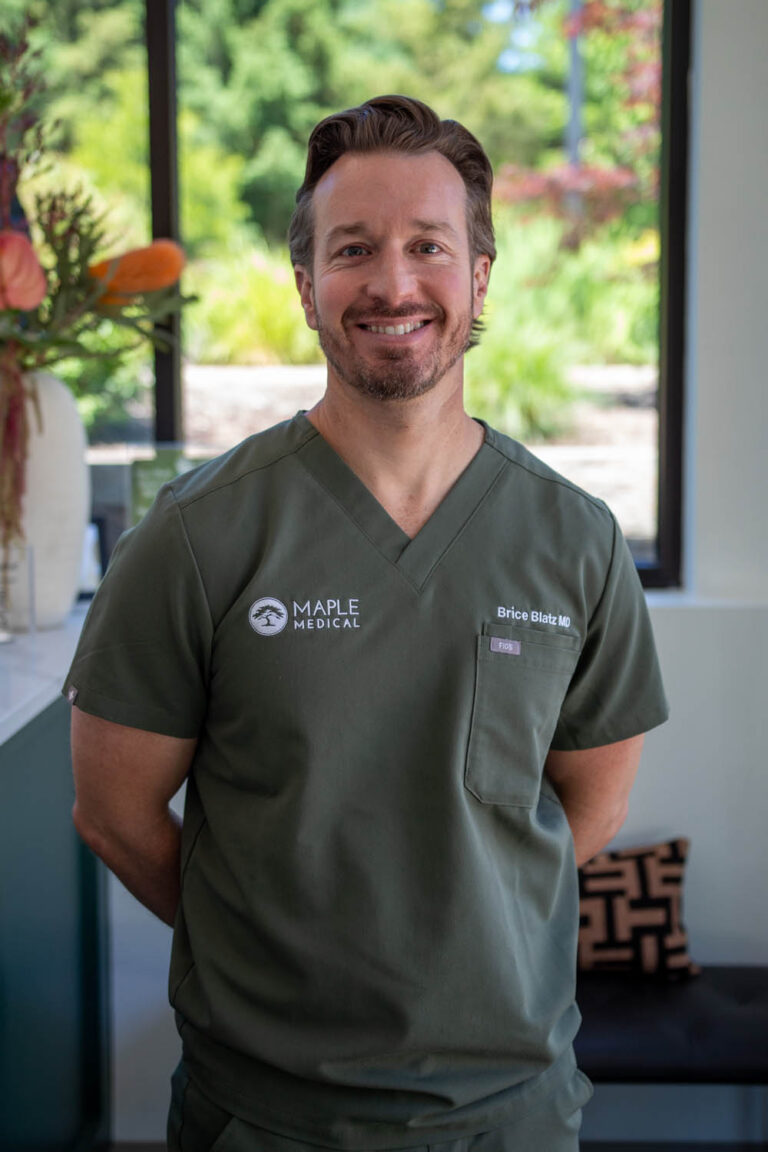
Dr. Blatz can explain these differences during your consultation and help you understand which approach may be appropriate based on your anatomy, symptoms, imaging history, and goals.
Focused Shockwave Therapy vs. Radial Pressure Wave Therapy
Shockwave therapy is often discussed as one treatment category, but there are important differences between the types of technology used. Two common forms are focused shockwave therapy and radial pressure wave therapy.
Focused shockwave therapy, also called focused extracorporeal shock wave therapy or fESWT / F-ESWT, delivers acoustic energy to a more precise treatment depth and target area. This may be useful when the goal is to reach a specific tendon, fascia, soft tissue structure, or deeper musculoskeletal concern.
Radial pressure wave therapy, also referred to as radial shock wave therapy, RSWT, or RPWT, spreads energy more broadly across a surface-level treatment area. Many practices offer radial pressure wave therapy, but not all practices have focused shockwave technology.
At Maple Medical, Dr. Blatz can explain the difference between focused shockwave therapy and radial pressure wave therapy, why the distinction matters, and which approach may be appropriate based on your condition, anatomy, symptoms, and treatment goals.
The right option depends on the tissue involved, the depth of the concern, symptom history, prior treatment, activity goals, and clinical evaluation. In some cases, focused shockwave therapy may be used as part of a broader care plan that includes EMTT, regenerative medicine, physical therapy coordination, activity guidance, or another non-surgical treatment option.
What Is EMTT?
EMTT stands for electromagnetic transduction therapy. It is a non-invasive energy-based treatment that uses electromagnetic energy as part of a musculoskeletal recovery plan.
EMTT may be considered for certain joint, tendon, soft tissue, or recovery-related concerns depending on the patient’s condition and evaluation. Some patients may receive EMTT as part of a broader treatment plan, while others may be better suited for a different therapy.
Dr. Blatz will explain whether EMTT may fit your condition, how it differs from shockwave therapy, and whether it should be used alone or alongside another option.
How EMTT and Shockwave Therapy May Work Together
EMTT and shockwave therapy may be discussed together because both are energy-based therapies, but they may play different roles in a treatment plan.
Shockwave therapy is often considered when a targeted tendon, plantar fascia, or soft tissue area needs focused stimulation. Depending on the concern, this may involve focused shockwave therapy, radial pressure wave therapy, or another shockwave approach.
EMTT may be considered when a broader non-invasive energy-based approach may support the overall treatment plan.
For some patients, one therapy may be appropriate. For others, Dr. Blatz may recommend combining EMTT and shockwave therapy with regenerative medicine, physical therapy coordination, activity guidance, or follow-up care. The recommendation depends on your specific condition and goals.
Conditions EMTT and Shockwave Therapy May Be Considered For
Depending on your evaluation, EMTT or shockwave therapy may be discussed for certain:
- Tendon injuries
- Plantar fasciitis
- Achilles tendon pain
- Patellar tendon pain
- Rotator cuff-related tendon pain
- Elbow tendon pain, including tennis elbow or golfer’s elbow
- Gluteal tendon pain
- Soft tissue irritation
- Joint pain
- Osteoarthritis-related symptoms
- Musculoskeletal recovery needs
Not every patient with these concerns is a candidate for EMTT or shockwave therapy. Dr. Blatz will help determine whether your symptoms fit Maple Medical’s treatment model or whether another option may be more appropriate.
Why Patients Consider Energy-Based Therapy
Patients often ask about EMTT, shockwave therapy, ESWT, focused shockwave therapy, or radial pressure wave therapy because they want a non-surgical option that may fit into a more complete recovery plan.
These treatments may appeal to patients who are dealing with recurring tendon pain, plantar fasciitis, activity-related pain, or symptoms that have not improved as expected with basic care. They may also be considered when the goal is to support tissue response without immediately moving to a more invasive option.
At Maple Medical, energy-based therapy is not treated as a quick fix. It is considered in context with the patient’s diagnosis, activity level, movement goals, and recovery needs.
How Maple Medical Evaluates Whether EMTT or Shockwave Therapy Is Appropriate
Your treatment plan begins with a consultation and evaluation.
Dr. Blatz will review your symptoms, previous care, medical history, imaging history, activity level, and goals. He may evaluate the painful area, movement patterns, tenderness, strength, range of motion, and how your symptoms respond to certain activities or positions.
When appropriate, ultrasound may be used to support evaluation, treatment planning, or image-guided care. If you already have imaging, reports, records, or notes from previous treatment, those materials can help support a more complete conversation.
The goal is to understand whether your condition may respond to EMTT, shockwave therapy, regenerative medicine, a minimally invasive procedure, physical therapy coordination, or another care pathway.
What to Expect During Treatment
Your experience depends on the therapy recommended and the area being treated. The Maple Medical team will explain what to expect before treatment begins, including how the therapy is performed, what the visit may involve, and what follow-up may be recommended.
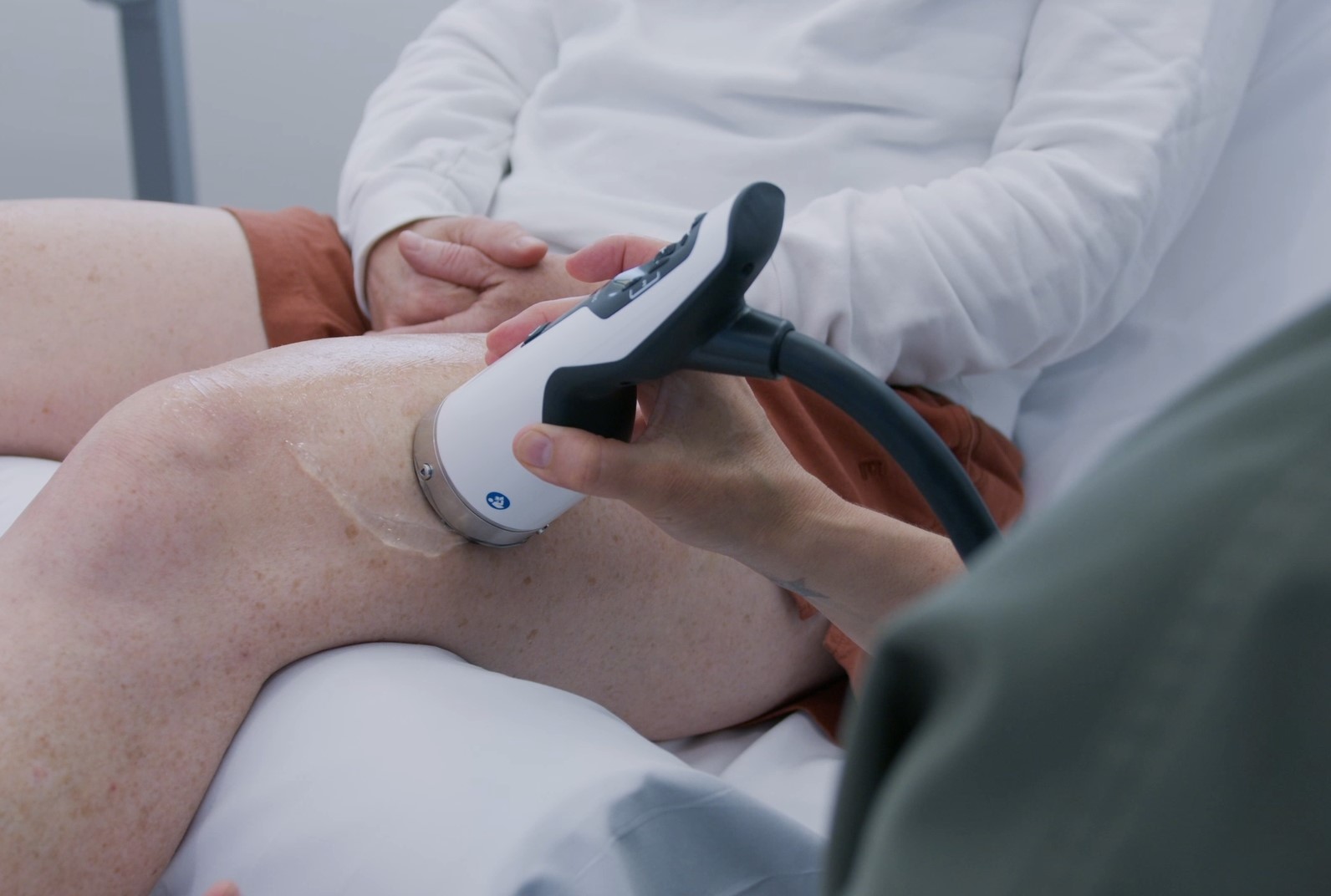
Shockwave therapy is applied to a targeted area using a handheld device. Patients may feel tapping, pulsing, or pressure during treatment. The experience may vary depending on whether focused shockwave therapy, radial pressure wave therapy, or another shockwave approach is being used.
EMTT is non-invasive and uses electromagnetic energy. The care team will guide you through the process and explain how the treatment fits into your broader plan.
Some patients may need a series of visits. Others may receive energy-based therapy as part of a larger plan that includes regenerative treatment, physical therapy coordination, at-home red light therapy, activity guidance, or maintenance recommendations.
Recovery and Follow-Up
Recovery guidance depends on your condition, treatment plan, and activity goals. Some patients may need to modify certain activities for a period of time, while others may continue normal daily movement with specific instructions.
For tendon and plantar fascia concerns, recovery often involves more than the therapy itself. Load management, footwear, strengthening, mobility, physical therapy coordination, and gradual return-to-activity guidance may all play a role.
Before treatment begins, Maple Medical will explain what to expect, what activities may need to be adjusted, and what follow-up may be recommended.
EMTT & Shockwave Therapy in Lake Oswego and the Portland Area
Maple Medical is located in Lake Oswego and serves patients from Portland and nearby communities who are looking for a more personalized approach to non-surgical musculoskeletal care.
Patients often come to Maple Medical because they want to understand why symptoms keep returning, what options may be available, and whether energy-based therapy may fit into a thoughtful care plan.
Whether you are researching EMTT, shockwave therapy, ESWT, EPAT, focused shockwave therapy, radial shock wave therapy, or radial pressure wave therapy, Dr. Blatz can help you understand what these terms mean and whether they apply to your condition.
Take the Next Step
If tendon pain, plantar fasciitis, joint pain, osteoarthritis-related symptoms, or another non-spine musculoskeletal concern is limiting your movement or quality of life, Maple Medical can help you explore whether EMTT, shockwave therapy, ESWT, focused shockwave therapy, radial pressure wave therapy, or another non-surgical treatment option may be appropriate.
Our Lake Oswego team will help you better understand your condition, your treatment options, and what next steps may make sense for your goals.