What Are MFAT and BMAC?
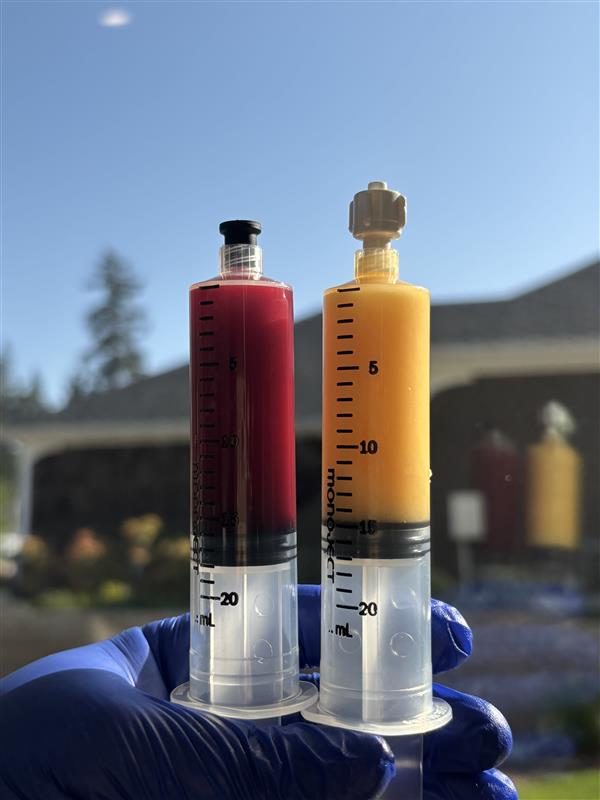
MFAT and BMAC are both biologic treatment options used in regenerative medicine, but they are not the same treatment.
Both use material collected from your own body. Both may be considered for certain orthopedic or musculoskeletal concerns. The difference is where the material comes from, how it is prepared, and why one option may be recommended over the other.
At Maple Medical, Dr. Blatz explains these options in clear language so patients understand what is being used, why it may be considered, and what realistic expectations should look like before treatment begins.
MFAT: Microfragmented Adipose Tissue
MFAT uses a small sample of your own adipose tissue, or fat tissue. This tissue is collected through a minimally invasive process and prepared into a microfragmented form.
Adipose tissue naturally contains supportive cells, structural components, growth factors, and signaling proteins involved in the body’s natural healing response. Once prepared, the MFAT is placed into the targeted treatment area as part of a personalized care plan.
MFAT may be considered for certain:
- Joint pain
- Mild to moderate degenerative joint concerns
- Tendon or ligament injuries
- Soft tissue inflammation
- Orthopedic injuries that have not improved as expected with conservative care
- Musculoskeletal concerns where biologic support may be appropriate
The best use of MFAT depends on the patient’s diagnosis, severity of symptoms, tissue involved, overall health, and treatment goals.
BMAC: Bone Marrow Aspirate Concentrate
BMAC uses a small sample of bone marrow, typically collected from the back of the hip. Bone marrow contains cells, growth factors, and signaling components involved in tissue repair and the body’s natural healing response.
After collection, the bone marrow sample is processed to concentrate the biologic components before being placed into the targeted treatment area.
BMAC may be considered for certain:
- Joint pain
- Cartilage-related concerns
- Tendon or ligament injuries
- Sports-related orthopedic injuries
- Musculoskeletal conditions where healing has stalled or remained incomplete
- Orthopedic concerns where biologic treatment may be appropriate
The best use of BMAC depends on the patient’s condition, goals, tissue health, severity of symptoms, and clinical evaluation.
MFAT vs. BMAC: Which Option Is Right for Me?
MFAT and BMAC are both cell therapy options, but they are not interchangeable.
- MFAT is derived from adipose tissue and may be considered when structural support and biologic signaling from fat tissue are appropriate for the treatment goal.
- BMAC is derived from bone marrow and contains concentrated cells and growth factors associated with tissue repair processes.
The best option depends on several factors, including:
- Your diagnosis
- The location of your pain or injury
- The severity of tissue damage
- Your imaging history
- Your prior treatments
- Your activity level
- Your overall health
- Your goals for movement, function, and recovery
During your consultation, Dr. Blatz will explain whether MFAT, BMAC, PRP therapy, shockwave therapy, EMTT, Tenex, TenJet, physical therapy coordination, or another option may be most appropriate for your situation.
Why Patients Ask About Stem Cell Therapy
Many patients use the phrase “stem cell therapy” when they are researching regenerative medicine, orthobiologic care, or biologic treatment options. That language can be confusing because different clinics may use the phrase in different ways.
At Maple Medical, the treatment focus is Cell Therapy: MFAT & BMAC. These therapies use material from your own body and may be considered for certain orthopedic or musculoskeletal conditions after evaluation.
Dr. Blatz takes time to explain what is being used, where it comes from, how it is prepared, and why it may or may not fit your condition. The goal is to help you make an informed decision without exaggerated claims or unclear terminology.
Conditions Cell Therapy May Be Considered For
Cell therapy may be discussed for certain non-spine musculoskeletal concerns depending on your evaluation.
This may include select cases involving:
- Knee pain
- Hip pain
- Shoulder pain
- Osteoarthritis-related joint symptoms
- Tendon injuries
- Ligament or soft tissue concerns
- Certain sports-related orthopedic injuries
- Musculoskeletal concerns that have not improved as expected with conservative care
Cell therapy is not appropriate for every patient or every condition. Your candidacy depends on your symptoms, diagnosis, goals, medical history, prior care, and clinical evaluation.
How Cell Therapy Works at Maple Medical
Your cell therapy process begins with a consultation and evaluation.
Dr. Blatz will review your symptoms, medical history, previous care, imaging history, activity level, and goals. If MFAT or BMAC may be appropriate, he will explain which option is being considered and why.
The process may include:
- Consultation and Candidacy Review: Dr. Blatz evaluates your condition and determines whether cell therapy may be appropriate.
- Treatment Recommendation: If MFAT or BMAC is recommended, Dr. Blatz explains what the treatment involves, what material will be used, and how it fits into your broader plan.
- Preparation: The Maple Medical team reviews preparation instructions, expected costs, and next steps before treatment begins.
- Tissue Collection: Depending on the treatment plan, adipose tissue or bone marrow is collected from your own body.
- Processing: The collected material is prepared in-office for targeted orthopedic or musculoskeletal use.
- Targeted Placement: The prepared biologic material is placed into the treatment area. When appropriate, imaging guidance may be used to support treatment planning and placement.
- Recovery Guidance: After treatment, your plan may include activity guidance, follow-up visits, physical therapy coordination, at-home red light therapy, or other supportive recommendations.
Realistic Expectations and Candidacy
Cell therapy should not be presented as a guaranteed cure or a universal solution for pain, arthritis, or injury. It is one possible treatment category that may be considered for appropriate patients after evaluation.
For some patients, MFAT or BMAC may be part of a non-surgical plan to support comfort, mobility, function, or tissue response. For others, PRP therapy, shockwave therapy, EMTT, Tenex, TenJet, physical therapy coordination, orthopedic evaluation, or another recommendation may be more appropriate.
Dr. Blatz will help you understand what cell therapy is designed to do, what it is not meant to promise, and what expectations are realistic for your condition.
Recovery and Follow-Up After Cell Therapy
Recovery after cell therapy depends on the treatment area, condition, severity, activity demands, and overall care plan. Some patients may need to modify activity for a period of time. Others may benefit from follow-up visits, physical therapy coordination, gradual return-to-activity guidance, or at-home support.
At Maple Medical, cell therapy is not treated as a single isolated procedure. It is part of a broader plan that may include preparation, treatment, recovery guidance, and follow-up recommendations.
Before treatment begins, our team will explain what to expect so you can move forward with more clarity.
Cell Therapy in Lake Oswego and the Portland Area
Maple Medical is located in Lake Oswego and serves patients from Portland and nearby communities who are looking for a more personalized approach to regenerative medicine and non-surgical musculoskeletal care.
Patients often come to Maple Medical because they want clear answers about biologic treatment options, realistic guidance, and a treatment plan that is based on their specific condition rather than a generic recommendation.
Take the Next Step
If joint pain, tendon pain, osteoarthritis symptoms, soft tissue injury, or another non-spine musculoskeletal concern is limiting your movement or quality of life, Maple Medical can help you explore whether Cell Therapy: MFAT & BMAC may be appropriate.
Our Lake Oswego team will help you better understand your condition, your treatment options, and what next steps may make sense for your goals.