Why Plantar Fasciitis Can Be So Frustrating
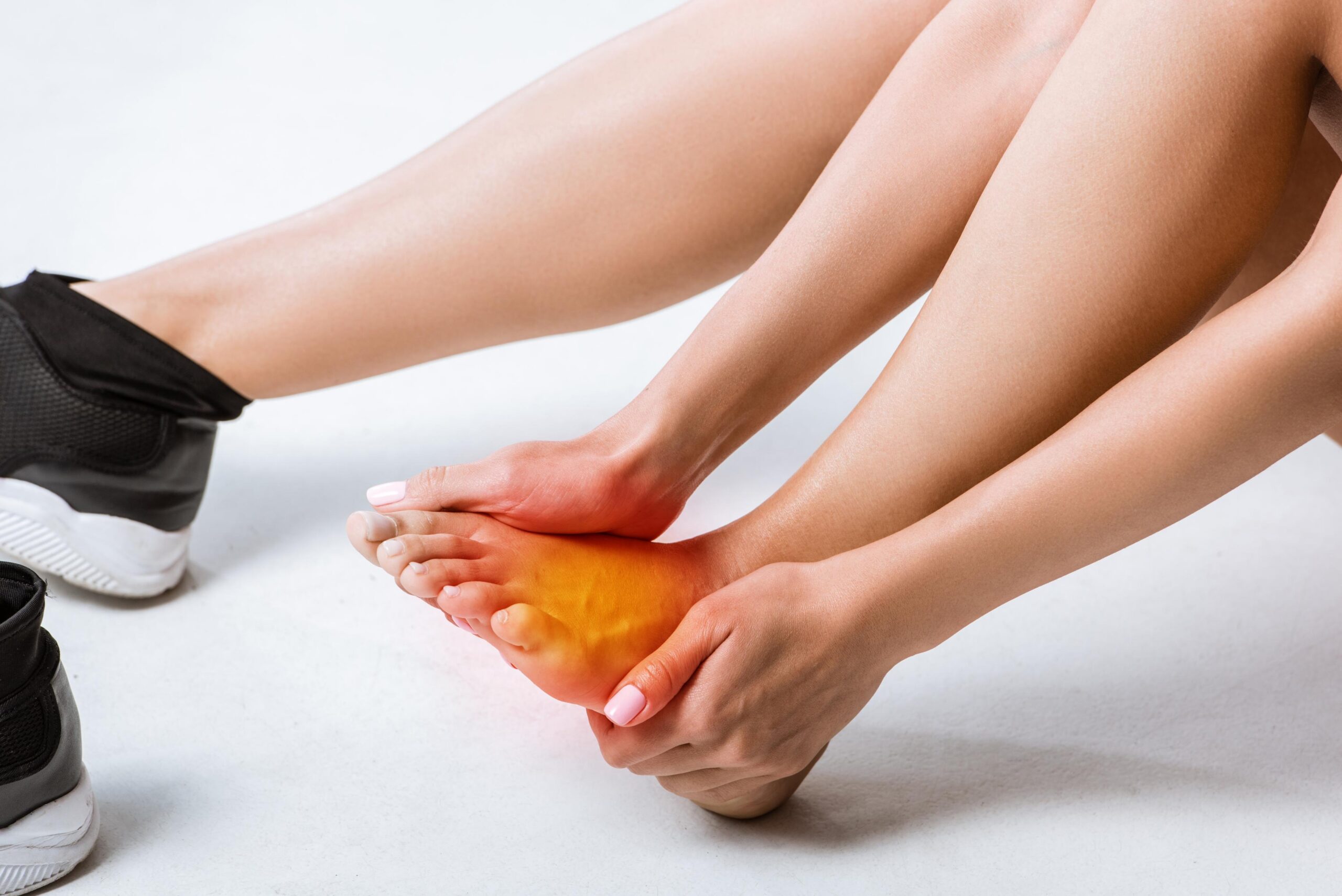
The plantar fascia is a strong band of tissue that supports the arch of the foot and helps absorb stress during walking, standing, and activity. When this tissue becomes irritated or overloaded, it can cause pain near the heel or along the bottom of the foot.
Plantar fasciitis is especially frustrating because it affects something you cannot easily avoid: walking. Rest may help for a short time, but symptoms can return as soon as normal activity increases again.
For active adults, heel pain can interfere with hiking, running, golf, pickleball, workouts, work, travel, errands, and everyday movement. When symptoms last for weeks or months, a more targeted plan may be needed.
Common Symptoms of Plantar Fasciitis
You may want to schedule a consultation if heel pain is affecting:
- First steps in the morning
- Walking after sitting or resting
- Standing for long periods
- Exercise, running, hiking, golf, or sports
- Work that requires time on your feet
- Travel or daily errands
- Walking barefoot or on hard surfaces
- Comfort in certain shoes
- Activity that feels fine at first but causes pain later
- Symptoms that have not improved as expected with stretching, inserts, rest, medication, or basic care
Some patients come to Maple Medical with a clear plantar fasciitis diagnosis. Others are not sure whether their heel pain is coming from the plantar fascia, Achilles tendon, heel spur, calf tightness, foot mechanics, or another issue. A consultation can help clarify what may be contributing to your symptoms.
Why Heel Pain Keeps Coming Back
Heel pain can persist when the plantar fascia is repeatedly stressed without enough recovery. Over time, the tissue may become irritated, thickened, or less tolerant of normal activity.
Several factors may contribute to recurring plantar fasciitis, including:
- Sudden increases in walking, running, or training
- Long periods of standing
- Calf tightness or limited ankle mobility
- Footwear that does not support your activity needs
- Changes in foot mechanics
- Heel spurs or bony irritation
- Prior injury or incomplete recovery
- Activity patterns that continue to overload the tissue
- Pain that improves temporarily but returns with movement
The right plan should look beyond the painful spot alone. It should consider the tissue, the activity demands, the foot and ankle mechanics, and what you need to get back to doing.
Plantar Fascia, Achilles, and Calf Tightness
Heel pain is not always isolated to the plantar fascia. The calf, Achilles tendon, ankle mobility, and foot mechanics can all influence how much stress is placed on the bottom of the foot.
Some patients feel pain directly under the heel. Others notice arch discomfort, Achilles tightness, or pain that changes with activity. These overlapping patterns can make it difficult to know what is actually driving the problem.
At Maple Medical, Dr. Blatz can help evaluate whether your symptoms appear consistent with plantar fasciitis, another tendon or soft tissue concern, or a condition that may require a different type of care.
How Maple Medical Evaluates Plantar Fasciitis
At Maple Medical, plantar fasciitis care begins with understanding the pattern of your heel pain.
Dr. Blatz will review your symptoms, activity level, footwear history, previous care, imaging history, medical history, and goals. He may also evaluate areas of tenderness, ankle mobility, calf tightness, gait patterns, and how your symptoms respond to certain activities or positions.
When appropriate, ultrasound may be used to support evaluation, treatment planning, or image-guided care. If you already have imaging, reports, records, or notes from previous treatment, those materials can help support a more complete conversation.
The goal is to determine whether your plantar fasciitis may fit a regenerative medicine, energy-based therapy, minimally invasive treatment, or coordinated recovery plan.
Treatment Options for Plantar Fasciitis
Your treatment plan depends on your consultation and evaluation. Maple Medical may recommend one therapy or a coordinated plan depending on your condition, goals, and clinical needs.
Shockwave Therapy
Shockwave therapy uses acoustic energy to stimulate tissue response in targeted areas. It may be considered for certain plantar fascia, tendon, or soft tissue concerns, especially when symptoms have not improved as expected with basic care.
PRP Therapy
PRP therapy uses platelet-rich plasma from your own blood. It may be considered for certain plantar fascia or soft tissue concerns when a targeted regenerative option is appropriate.
EMTT
EMTT, or electromagnetic transduction therapy, is a non-invasive energy-based treatment that may be used as part of a broader musculoskeletal recovery plan.
Tenex / TenJet
For select chronic soft tissue or tendon-related concerns, Dr. Blatz may discuss minimally invasive options such as Tenex or TenJet when appropriate. The right recommendation depends on the tissue involved and your evaluation.
Image-Guided Care
When appropriate, imaging guidance may be used to help support treatment planning or guide certain procedures with greater precision.
Physical Therapy Coordination
Plantar fasciitis recovery may involve more than treating the painful area. Strength, mobility, calf flexibility, foot mechanics, and gradual return to activity can all play a role. Maple Medical may coordinate with physical therapists or work alongside your current provider when appropriate.
Footwear, Orthotics, and Activity Guidance
Depending on your symptoms and history, your plan may include guidance around footwear, orthotics, stretching, activity modification, or return-to-activity pacing. These details can help reduce repeated irritation while your treatment plan is underway.
At-Home Support
Depending on your treatment plan, Dr. Blatz may recommend at-home red light therapy, activity guidance, follow-up care, or maintenance recommendations to support your overall recovery plan.
What to Expect During Your Consultation
Your consultation is designed to help you better understand your heel pain and the options that may fit your needs.
Dr. Blatz will discuss your symptoms, prior care, activity goals, medical history, footwear history, and any imaging or records you provide. If shockwave therapy, PRP therapy, EMTT, Tenex, TenJet, or another non-surgical option may be appropriate, he will explain why that treatment may fit your condition and what the process may involve.
If another type of care is a better fit, he will guide you honestly.
Many regenerative medicine treatments are not covered by insurance. Our team will review expected costs before treatment begins.
Plantar Fasciitis Care in Lake Oswego and the Portland Area
Maple Medical is located in Lake Oswego and serves patients from Portland and nearby communities who are looking for a more personalized, non-surgical approach to heel pain.
Patients often come to Maple Medical because plantar fasciitis is keeping them from walking comfortably, staying active, exercising, working, traveling, or enjoying everyday movement without thinking about every step.
Take the Next Step
If plantar fasciitis or chronic heel pain is limiting your movement, activity, work, or quality of life, Maple Medical can help you explore your options with a personalized consultation.
Our Lake Oswego team will help you better understand what may be contributing to your heel pain and whether shockwave therapy, PRP therapy, EMTT, image-guided care, or another non-surgical option may be appropriate for your needs.